
 For as long as people have set out upon the water, seafarers have been a superstitious lot, wary of bad omens and blaming ill fortune on powers beyond the realm of mere mortals. Inexplicable events meld with nautical lore, serving as explanations when no logical answer will fit. Bad luck to those who set sail on Friday the 13th, whistling onboard a vessel will bring ill winds or no winds at all, killing an Albatross is as bad as being a Jonah, and never leave dock without your mascot or lucky charm. In this nether region of myth and superstition we delve into the story of one the most tragic wartime losses for Britain’s submarine service, the sinking of His Majesty’s Submarine Olympus.
A New Design, the “O” Class
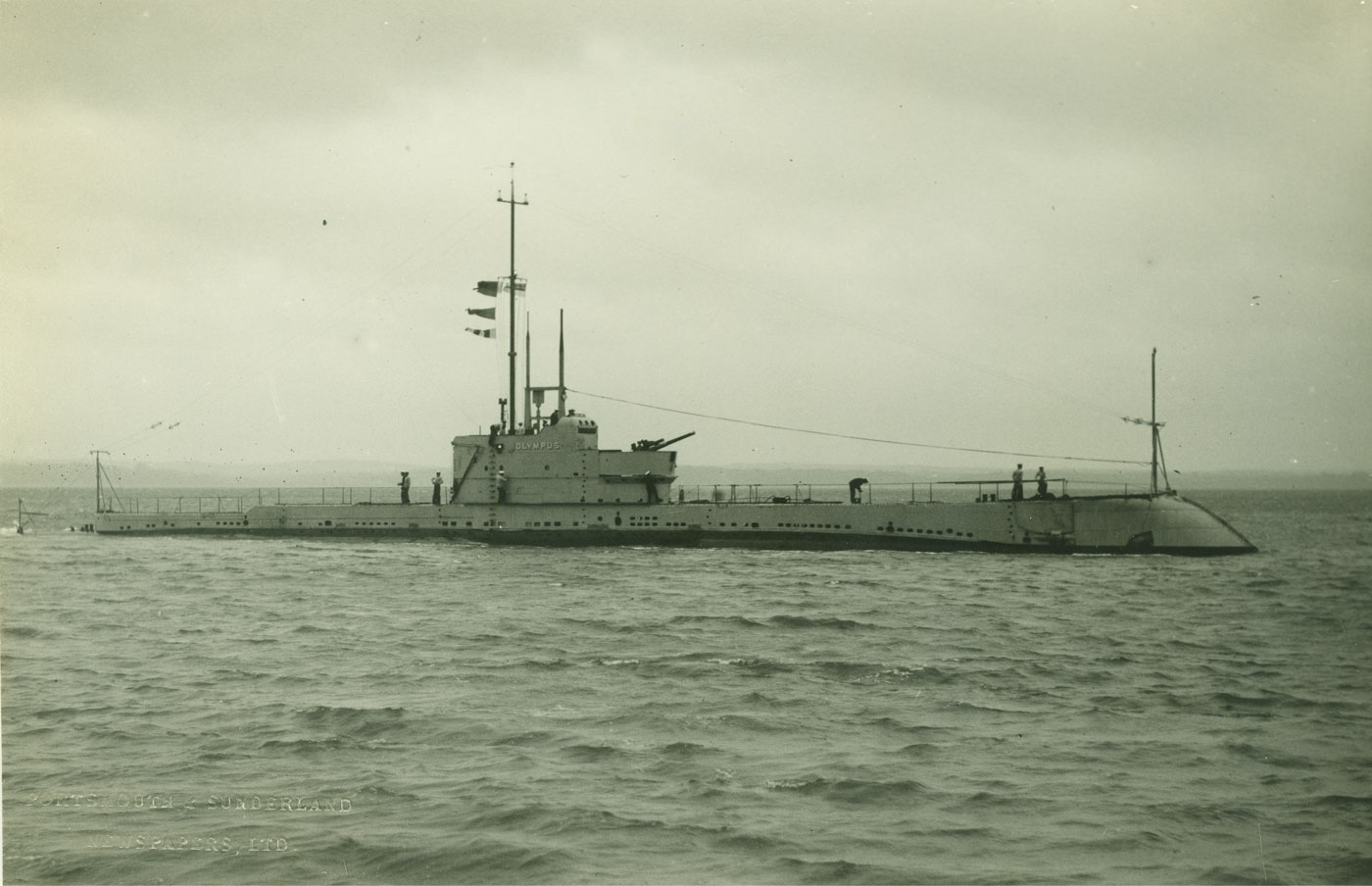
In May of 1922 the British Admiralty developed a new long-range submarine, the “Overseas Patrol Type”. Designed with the wide expanse of the Pacific in mind, HMS Olympus and many of her sisters were originally intended to be delivered to the Royal Australian navy, but the economic crisis of the 1920’s caused the Admiralty to change her destiny, and the “O” class submarines were kept for the Royal Navy instead. The first production line, designated “Oberon” class would eventually exhibit a tragic design flaw as the riveted construction of the outboard diesel fuel tanks would loosen over time. This poor design resulted in the loss of three boats early in World War II when leaking fuel allowed Italian destroyers to locate and destroy the submerged vessels. Once this issue was discovered the riveted tanks were welded and the problem resolved. The next transition of the “O” type submarine was the “Odin class” whose members bore the names of mythological entities, as such HMS Olympus, named after Zeus’s home in the clouds, where the Gods dabbled in the lives of mortals for their amusement and pleasure. On a more practical note, the “O” class were the first British submarines to be fitted with hydrophones and ASDIC {sonar} for locating ships or submerged submarines as well as a quick diving “Q” tank allowing them to submerge more rapidly than their predecessors and attain periscope depth (34 feet) in just over a minute.
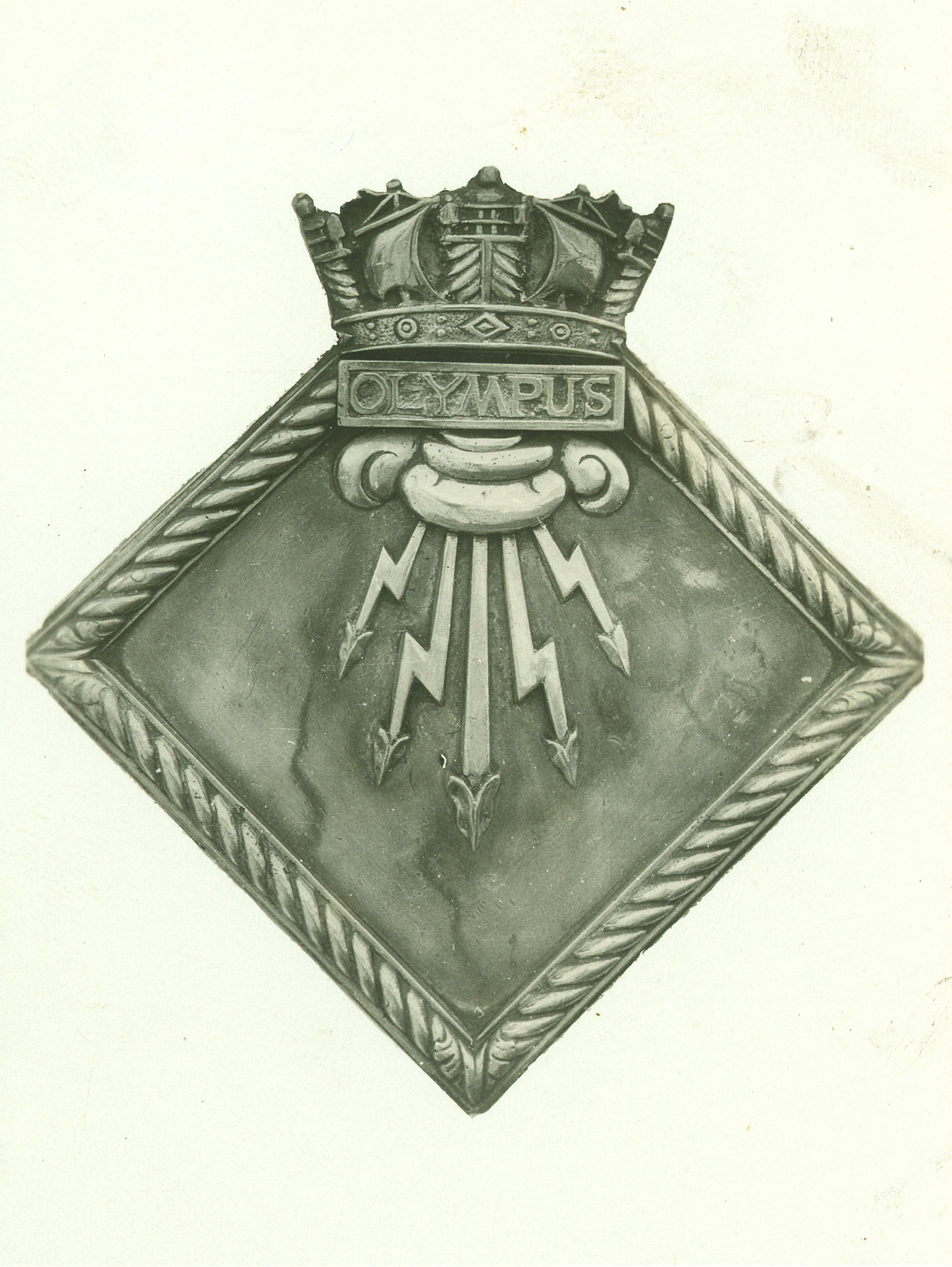
Built by the William Beardmore Shipyard in Glasgow Scotland, the 284- foot long, 2038-ton (submerged) vessel was launched into the Clyde River on December 11, 1928. Like most submarines of the time the primary armament was eight (six forward, two aft) 21” torpedo tubes, augmented by a uniquely configured 4” deck cannon tucked into the fore end of the conning tower, with two smaller machine guns located aft of the tower. Many British submarines have a ship’s crest mounted on a shield-shaped plaque in the wardroom. The HMS Olympus emblem was a brace of lightning bolts striking down from the clouds across a blue background. Her motto, “Fulmen a sereno”, literally meant a, “bolt from nowhere”, to imply they would strike without warning, the very purpose for which the attack submarine is built.
 As her overseas design dictated, HMS Olympus joined the 4th Flotilla (China) based out of Hong Kong to operate in the wide expanse of the Pacific Ocean serving His Majesty’s interests. During the inter-war period 1930-1939 the submarine and her crew was mostly enjoying the exotic duty station. Records show her crew won the Submarine Flotilla football (soccer) cup, her officers won the Station Sampan race and the HMS Olympus won the Flotilla regatta. For now, luck was with the submarine and life was good for the crew. The only blemish during this period was an incident in which HMS Olympus, in-route to Wei-Hai-Wei, collided with a Chinese junk causing minor damage and a small measure of embarrassment. Shortly after the event John “Johnny” Capes, a new stoker, joined the HMS Olympus crew. If that name seems familiar to some, in a fascinating side story, years later Capes was taking passage aboard another British submarine, the HMS Perseus, when it struck a mine and sank in the Aegean Sea. Trapped in the after-torpedo room, Capes opened the escape hatch flooding the compartment, and wearing a Davis escape lung ascended 190 feet to the surface. Johnny Capes would be the sole survivor of the HMS Perseus in a rare example of escape from a sunken submarine.
First War Patrol in the Antarctic Wastes
With the onset of war HMS Olympus was ordered to the Antarctic to patrol the Prince Edward Islands and Isles Crozet. In short notice, they had to procure charts for this remote area, which they did but in a language other than English. The haste in which they sortied had them in Antarctic waters with only summer clothes, and the harsh conditions they found in the frozen wastes created a series of mechanical faults. Ice floes damaged the exterior of the submarine and during one particularly rough surface crossing they encountered waves over thirty-five feet tall, which broke one of the torpedo’s in its launch tube. The mission was hard on the crew and to add to the discomfit, rations were soon limited to hard biscuits and tinned beef. The one high point during the cruise was when HMS Olympus joined the epic chase for the German battle ship Admiral Graf Spee, although they missed her by nine hours.
This first war patrol lasted sixty-six days in which HMS Olympus travelled over 12, 590 miles before she put into the naval base in Durban South Africa for a rapid refit. Orders soon followed to join a new flotilla forming in Sri Lanka that would travel through the Suez Canal and into the Mediterranean Sea. Once HMS Olympus reached Alexandria Egypt, it was found her diesel engine cylinder liners were excessively worn, so she was sent to the British naval yards on the small island of Malta for a total engine over-haul. War had brought HMS Olympus half-way around the world to an environment she was never designed for. In the clear shallow waters of the Mediterranean Seas the large submarine could be clearly seen by aircraft, even at depths of 100 feet. To help mask her presence when at depth, HMS Olympus was painted a dark blue, versus her traditional dark green which was more suited to the Pacific and Atlantic oceans.
On July 27, 1940, with the engine re-fit nearing completion, the submarine was heavily damaged in a bombing attack by Italian aircraft. At first the Admiralty thought HMS Olympus might be a total loss, but decided to proceed with extensive repairs, which added substantiality to her time in dry-dock. Once completed, the submarine was sent to sea to conduct a test dive, during which the boat accidently slipped down much deeper then intended, stopping at 720 feet, much greater than her designed operational depth. This proved to the crew the repairs to the pressure hull were well done and the submarine was fit to sail once more. Over the next year HMS Olympus would sortie first to Gibraltar, then back to England for another re-fit, only to be mistaken in her home waters as a German U-Boat and attacked by British aircraft, which fortunately did no major damage.
Siege of Malta
With the opening of a new front in North Africa, Malta’s strategic importance as a British Naval and Air base intensified. British Prime Minister Winston Churchill, who referred to the island as his “unsinkable aircraft carrier”, was willing to do everything possible to protect this Mediterranean fortress. On the other side of the coin, German General Erwin Rommel, (known as the Desert Fox by his men and enemies alike), who was tasked with taking North Africa and its valuable resources, clearly recognized the Axis must subdue Malta in order to protect the supply lines to his forces on the continent. From 1940-1942 Italian and German aircraft flew over 3,000 raids, dropping thousands of tons of high explosive on military and civilian targets in an effort to bomb the British forces into submission. As more than 30,000 buildings were destroyed and nearly 9,000 civilians and military personal killed, it was feared an invasion of the island by Axis forces could come any day.
Operation Magic Carpet
 By 1941, supplying the British base in Malta was extremely dangerous; Italian and German aircraft attacked day and night, and German “Schnellboots” (fast torpedo boats) would sortie nearly every other evening, to lay minefields around the beleaguered island and go off to seek targets of opportunity. The offensive was so overwhelming that almost every allied ship that tried to reach the island would be attacked, damaged or sunk unless heavily escorted. In order to supply the island with food, fuel, and munitions, Britain turned to their large ocean-going submarines, including HMS Olympus. By removing some of the huge batteries from the lower holds of the submarines, the cargo capacity was increased, but at a dangerous cost of lower underwater endurance. Although risky, the trade-off worked rather well; from November 1941 through May 1942 HMS Olympus made five trips from Gibraltar to Malta. Joined by two other British submarines, the trio would take turns making the 1000-mile, eleven-day journey as they traveled through dreaded minefields each time to supply the embattled RAF and Naval forces with aviation fuel, kerosene, torpedoes, TNT, ammunition, mail, engines and spares to carry on the fight. Air attack was so regular and dangerous in Malta, the submarines would stay submerged in the harbor during the daylight hours, and only surface at night to unload. How the island was supplied remained a mystery to the Italian and German forces, and this dangerous supply run became known as the “Magic Carpet Service”. During this time, HMS Olympus also participated in a number of offensive patrols, but only managed to sink one ship, the Italian steamer Monteponi, near Sardinia.
Trouble for HMS Submarines in Malta
Even with the daytime tactic of submerging in the harbor, nothing could ensure the safety of the submarines while surfaced in the evening. HMS submarine P36 was bombed while tied to the dock by the Luftwaffe and sank to the bottom of the harbor; a total loss. HMS P39 which had previously received bomb damage off Tunisa, was in Malta for repairs, and bombed twice more by Axis aircraft. Damaged beyond salvation, the sub was beached and written off. Like the HMS P36, the HMS Pandora took two direct bomb hits while quayside and sank as well. Because of the damage being inflicted by these attacks and the ever-present threat of an Axis invasion looming over the island, the Admiralty decided to evacuate the 10th Submarine Flotilla to Alexandria Egypt, leaving behind a small contingent of naval personal to look after the submarines that would still be making the much-needed supply runs. The experienced crews from these three sunken submarines were ordered back to England to man the new boats coming out of the builder’s yards. British Naval command decided the best way to get these men back home would be aboard HMS Olympus.
In order to carry out this mission, room had to be made in the limited space available. Large storage batteries were removed from the compartments below both the control room and forward accommodation. This resulted in removing nearly one third of the available batteries, hampering the submarines ability to stay submerged. 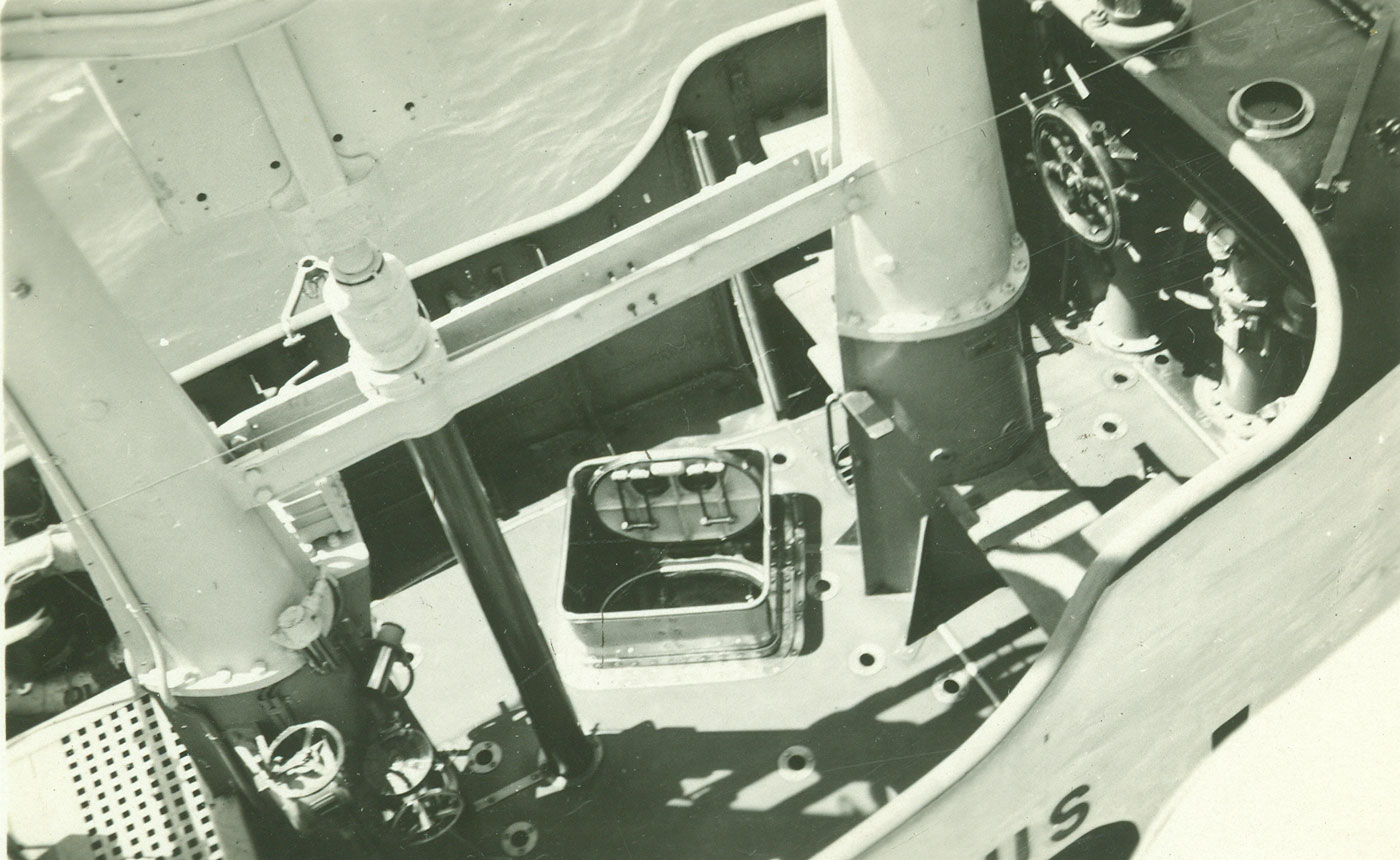 To accommodate the extra passengers in the battery compartments, scaffold framing was installed for hammocks to be slung. In an already claustrophobic submarine environment, transiting in the battery rooms with its tight confines, poor ventilation and low ceilings had to be the worst place aboard, but such were the necessities in a time of war. Once the work was completed, a test dive was attempted in the harbor but the HMS Olympus would not submerge; the massive batteries that had been removed simply weighed much more than the intended human cargo. A large number of copper ingots were brought aboard and laid upon the floor of the already tight battery compartment, adding the required ballast but further restricting the space for the occupants. With the trim corrected, the final preparations for leaving were made. The HMS Olympus was ready for the journey home.
A Fate Intertwined, Schnellboot S-31
S-31 was a German Schnellboot, just over 120 feet long and with an 18-foot beam. Long, lean, and as name implies, Schnellboots were really fast, capable of sustained speeds of 38 knots and a range of 800 miles. The primary weapons were two torpedo launchers, backed with three 20mm anti-aircraft flak cannon and brace of machine guns. Rounding out the armament was a twin rail system on the stern for deploying mines. The S-31 and her sister ships were originally built for the Chinese Government, but when war broke out, were instead kept by the German Kreigsmarine, and (just like HMS Olympus) would be sent where needed despite their intended design. After training and operating in the Baltic and North Seas, S-31, with her flying fish emblem and 21-man crew, was a small but substantial vessel to be reckoned with. Due to the needs of Axis forces in North Africa, the German Kreigsmarine, in a unique act of subterfuge, sent the entire 3Rd flotilla of Schnellboots to the Mediterranean Sea disguised as harmless black tug boats. With weapons hidden away and the crew in civilian clothing, the flotilla travelled down the Rhine and Rhone rivers, through 176 locks, arriving at the Italian naval base of La Spezia early December 1941. Converted back into their more lethal form, the flotilla was sent to operate out of Sicily and immediately tasked with mining the waters surrounding Malta, and to attack allied supply vessels as the opportunity presented itself. Mining lasted from December 1941 through May 1942 and in that time, the flotilla laid over 557 mines in 24 minefields. Add to this hundreds of aerial mines dropped by Axis aircraft, and the problem for British minesweepers was apparent. Nearly every other night another minefield was laid, forcing the British to sweep the approaches to the harbor. A major difficulty for them was that the smaller aerial mines would usually pass the sweep undetected.
Two nights before HMS Olympus was to set sail with her precious human cargo, S-31 along with S-54 and S-61 made the run from Sicily to Malta, their incredible speed making the crossing in just over two hours. Under the cover of darkness, the trio slowed and crept close to the blackened coastline to lay a new minefield outside the Grand Harbor in Valetta. Once the mining mission was completed, S-31 encountered the British patrol vessel ML130 and a fierce gun battle ensued, in which one of S-31’s crew was wounded. Outnumbered by the Schnellboot trio though, the Germans sent the small British launch to the bottom with four of her 13-man crew.
The Final Mission
 As final preparations were being made to depart, an ominous occurrence aboard HMS Olympus would change the fate of at least one man, if not the entire vessel. The ship’s crest had Inexplicably fallen from the bulkhead, loosened possibly from the incessant bombing, and broke when it struck the deck. Sent to a workshop on the island for repair, Seaman Rate James Fulthorpe was sent ashore to fetch it before the submarine departed. As they did nearly every night, Axis aircraft attacked the island, and as the bombs blasted Malta, Fulthorpe took cover in an air raid shelter, unable to make it back to the submarine. Orders dictated an early morning departure to avoid detection, so at 4:00 a.m. Friday May 8th, the boatswain piped harbor stations and at 4:15 am the lines were cast off. Without Seaman Fulthorpe or her good luck charm, HMS Olympus had set sail for England. British records vary between 97 to 100 men aboard; 11 officers and 86-89 ratings, which included the survivors of HMS P36 and HMS P39, HMS Pandora in addition to HMS Olympus’s own crew of sixty men.
HMS Olympus’s captain, Lt Commander Herbert G. Dymott was aware of the Schnellboot attack that sank ML130 outside the harbor the night before, and had been assured the channel leading out of Grand Harbor had been swept for mines. In his sailing orders were specific course directions for a “dog leg” pattern for a cleared channel through the Brit’s own defensive mines. HMS Olympus left the harbor without a minesweeper escort, and the reason for this has never been satisfactorily explained. Was the ML130, destroyed the night before, to have been the intended escort? We may never be able to answer this with any degree of certainty, but what we do know is that HMS Olympus went past the inner harbor defenses at 4:50 am and switched to quieter electric motors. In the shallow harbor water Axis aircraft had laid small acoustic mines, which would detonate to the sound of a diesel engine, so prudence dictated a stealthier exit. Once the past the outer boom defense at the harbor entrance the main diesels were started and speed increased to half full. In 30-40 minutes, HMS Olympus would be out of the channel, free then to dive and maneuver as needed. The weather was calm, visibility fair with a patchy mist obscuring the moon.
Admiralty war orders dictated that all exterior escape and other hatches, with the exception of the main conning tower hatch, had a steel bar installed “externally” to prevent hatches from slipping the interior clips and popping open during a depth charge attack. It is unclear if these bars could be dislodged from within the submarine. Without this ability, there was only one way out of the submarine in the case of an emergency. Up on top of the conning tower Officer R.A. Gardner was manning the engine order controls, accompanied by a forward and aft lookout. It seems a small number, but an emergency crash dive takes just 15 seconds, allowing only enough time for three men to drop in and close the hatch before the conning tower is underwater.
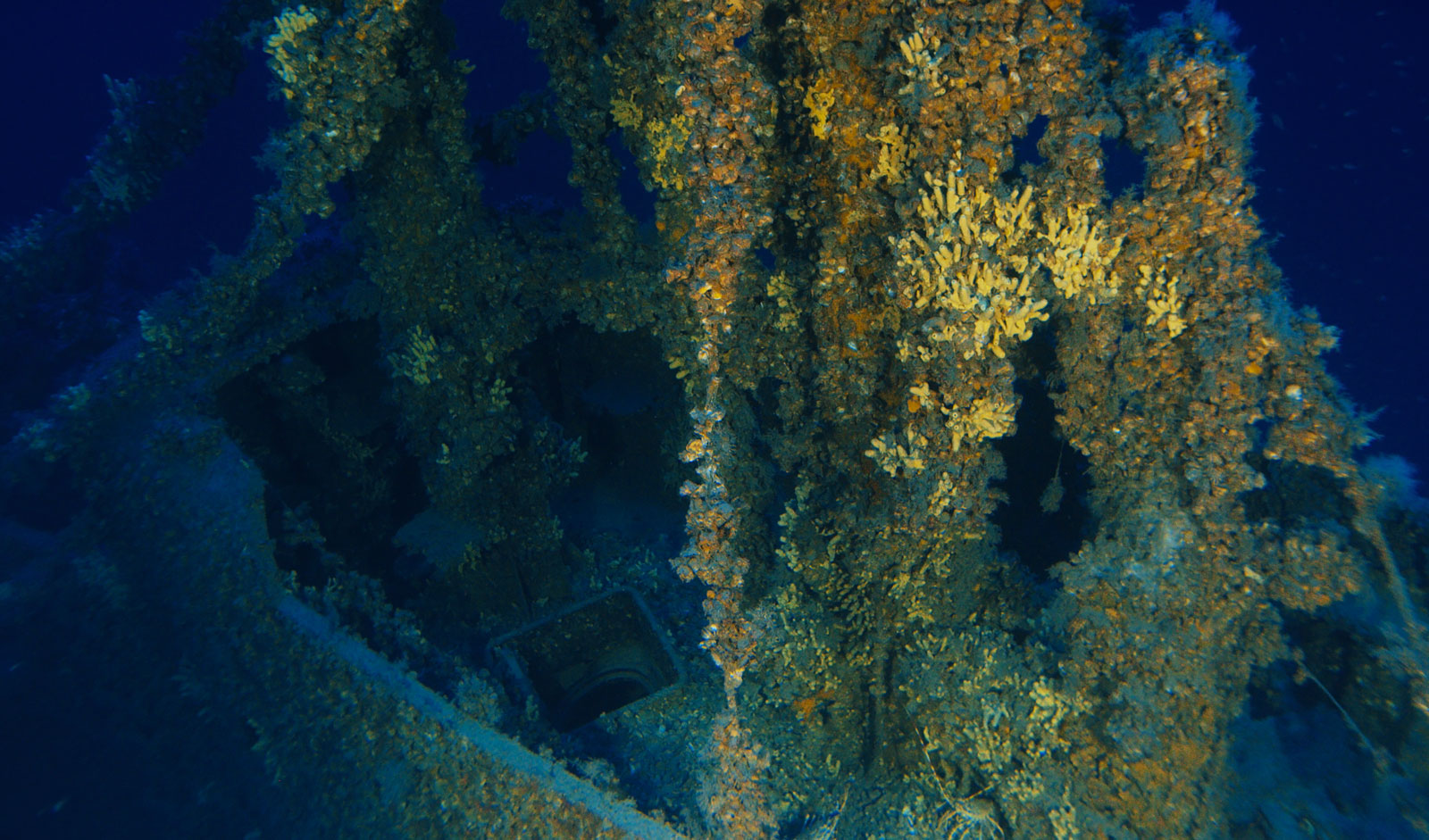 Inside HMS Olympus the off-duty men and passengers lay in bunks trying to rest, while in the galley Leading Stoker S. Jones was putting food in the oven as some were ready for breakfast. At approximately 5:20 am an explosion occurred followed by the submarine shuddering as it made half-speed. On the conning tower RA Gardner described a loud explosion with no flash or splash, while others in the engine spaces described it more as a dull thud or big bump. To those below decks it was unclear if HMS Olympus was under attack by aircraft or hit by torpedo. The explosion had occurred on the starboard side and knocked the galley stove over blocking the corridor. The deck between the battery compartment and magazine opened up, and with a great volume of water was streaming in the submarine immediately developed a starboard list. On the conning tower, even as RA Gardner signaled for slow ahead both engines, HMS Olympus lost all power and came to a stop.
In the moments after the explosion there was confusion aboard; some men believed the boat was under aerial attack and proceeded to initiate a crash dive, while others headed aft to the control room in order to abandon ship. When Chief Engineer W.G. Wright opened the door from the engine room he found the water was already ankle deep in the control room, with lights flickering as electrical systems arced and shorted out. Commands were given in short order to blow all ballast, shut down the diesel engines and close all water tight doors. Attempts were made to close the control room door leading forward, but it was blocked by debris. Within minutes it was apparent HMS Olympus was sinking and out of control; the order to abandon ship was given.
Bad Luck Follows Misfortune
Only a handful of men had the presence of mind to a grab life belt or Davis escape lung as they lined up in a queue beneath the ladder to exit out through the conning tower. There was no panic, and Chief Engineer W G Wright stood at the bottom to control the flow of men. Up on the conning tower an order was given to open (from the outside) the forward gun tower hatch to provide another exit from the stricken submarine. As the crew lined up on the submarines outer casing, some remarked they couldn’t swim, so a few brave men went back into the submarine to grab life belts for them. By now a yellow haze of poison chlorine gas, caused by the reaction of salt water and battery acid, was forming in the boat. The last few men to exit were coughing and spitting as they struggled out. After this, no one could, or would, go back in.
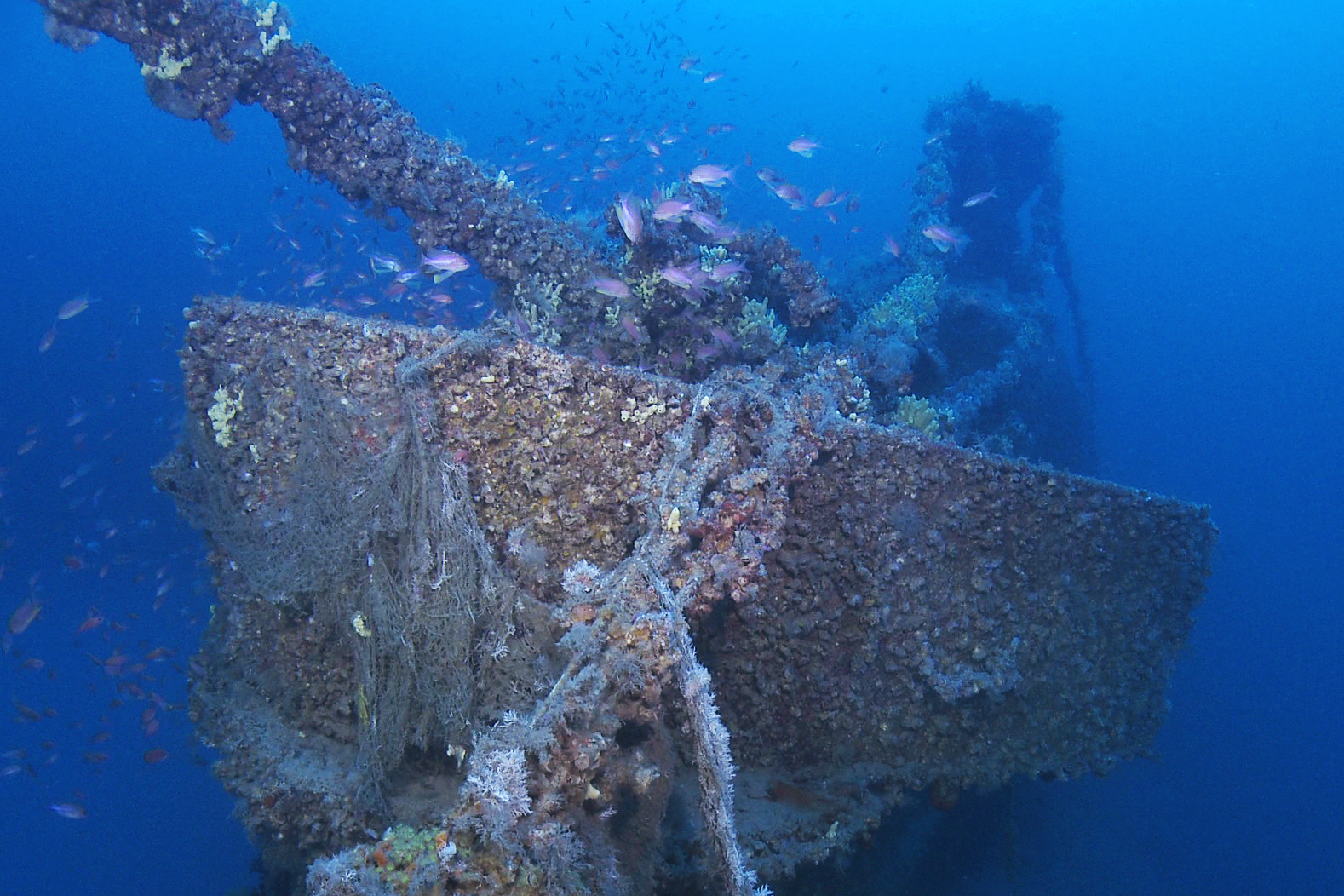 In typical British military fashion, the men lined up neatly on the submarine casing and sounded off in order. The count was 88 men. According to Chief Engineer Wright, the twelve missing men were members of the P-39’s crew, whose hammocks in the converted battery compartments were directly at the point of the explosion. Either killed outright by the blast or drowned by the water that followed, they never had a chance. The sky was still dark, except for the quarter moon and a slight glow of the coming dawn on the eastern horizon. The seas were flat calm, but cool with a water temperature of 51 degrees Fahrenheit. From the upper deck of the submarine, Malta’s darkened shape could still be seen and the crew estimated it was about six miles away, which gave the men hope.
On top of the conning tower officers struggled to signal the island of their fate; prior to exiting the submarine no “May Day” had been sent by radio and now the poison gas inside wouldn’t allow anyone to enter. A first and then second flare pistol would not fire, and both electric “Aldis” signal lamps refused to turn on as well. When a plane flew over the island attempts were made to signal it with hand held flashlights, but to no avail. In a desperate attempt to get the attention of anyone on shore it was decided to fire the four-inch deck cannon, but they could not get the breech to close; the brass casing was stuck. After desperately ripping the cartridge out of the breech, they realized the shell was stuck up in the barrel, rendering the gun inoperable. The now desperate crew was no better off than before. It was suggested to use the gunpowder from the shells to light a signal fire on the deck, and to this Captain Dymott answered, “Do as you like”.
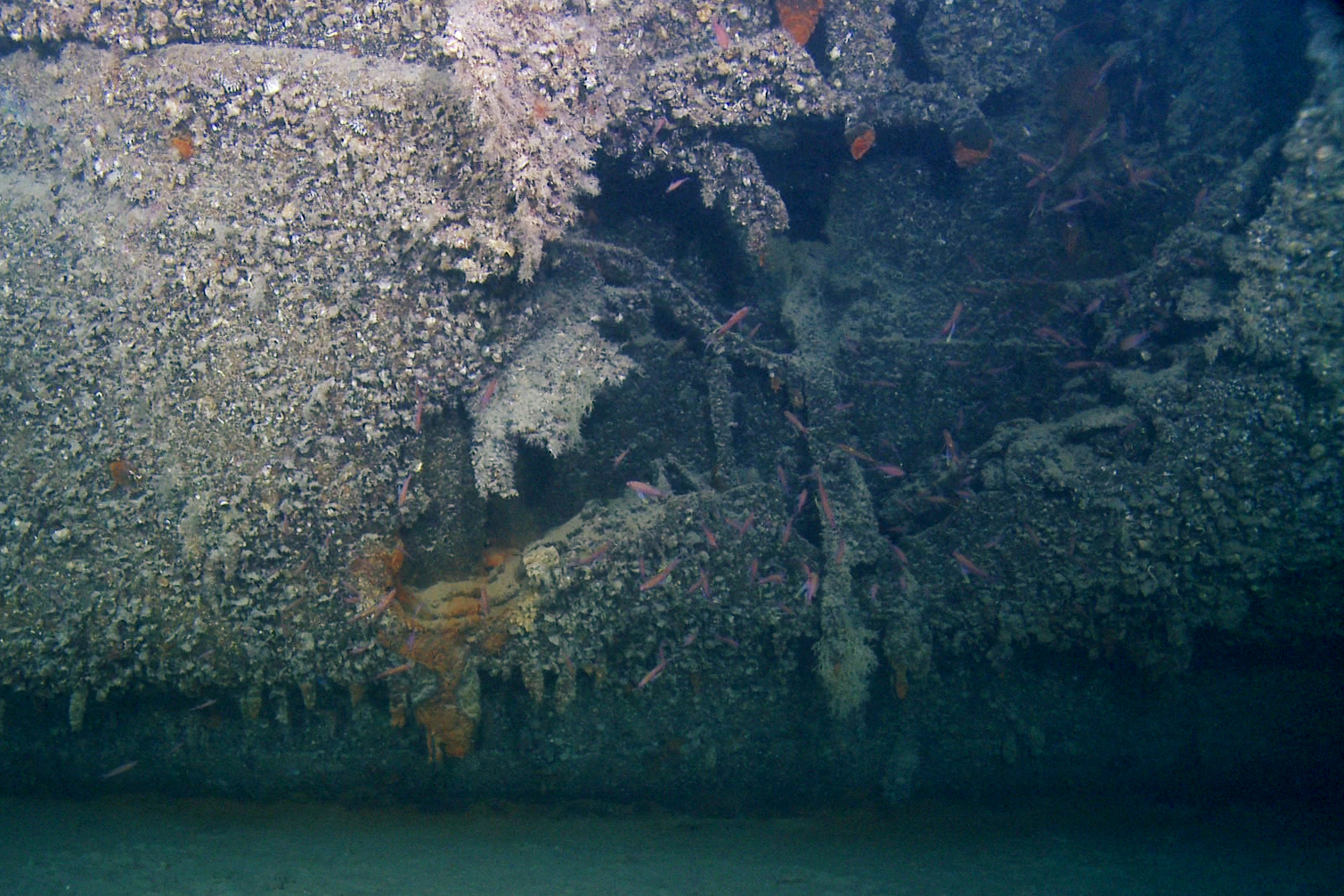 At about this time, HMS Olympus righted her starboard list and began to slowly sink bow first. Again, there was no panic as the men took off their shoes and boots and lined them neatly on the submarine’s casing. Advised to keep on their heavy sweaters in order keep a pocket of warm water around their bodies, one by one they slipped into the water and pushed away towards the darkened shore. Only fifteen minutes had passed since the explosion and everything that could go wrong had indeed gone wrong. With misfortune on top of bad luck, HMS Olympus made her final dive to the bottom of the Mediterranean Sea, leaving 88 men to their fate in the cold water.
As the survivors swam, Axis aircraft bombed Malta in two separate raids; the enemy’s distant bomb flashes ironically showing them the way and bolstering their spirits. The plan was for them all to stay together, but soon a disparity between the strong and the weak swimmers separated them into two groups. The weaker group happened upon a floating horned mine, which one exhausted sailor wanted to grab onto, but his friends convinced him to please not blow them all up. Soon there were cries for help from the weaker swimmers, and no doubt many stronger swimmers used up their energy helping their mates. When daylight finally broke, nearly half the men had drowned. In the growing light, Malta was still a good deal distant, and it became apparent a cross current was taking them to sea. Two hours had passed since the explosion and the morning sun did not bring any good news.
Mistaken Identity
No rescue was forth coming, even though some on Malta were aware of an explosion at sea. Private G.R. Bradbury of C Company was on guard duty when at 5:30 AM he heard a large explosion out at sea. Staring into the darkness, he saw a bright light flash a few times and then nothing. The light was most likely one of the few working flashlights on board the HMS Olympus. Ringing up the duty officer he reported the sighting and was told, “all right”. Although this sighting was acknowledged, it seems to have fallen on deaf ears. Given the tenacious state and limited assets of the British forces, it may not be forgivable, but understandable why no rescue would be forthcoming. Two hours later Private Bradbury was heading to breakfast when he sighted fourteen swimmers in the water, coming out of the morning sun and heading to the shore. Again, Private Bradbury reported this sighting up the chain of command. With other sightings coming in it was assumed the swimmers were Italian airmen, shot down from that morning’s bombing raids. Soldiers were directed to get down to the beach and gather them up.
 As the exhausted swimmers came closer to shore, there is a report they came under fire from the beach. To quote John Wright, nephew of the HMS Olympus Chief Engineer, “My father tells me that his brother Will, who survived the sinking of HMS Olympus, swam 7 miles and came under friendly fire from the beach until they were within earshot and could be heard”. It’s heartbreaking to think that after all the bad luck and suffering the early morning held, there was still one travail for the weakened men to endure. Once they realized these were British sailors, a few soldiers jumped into the surf to help them ashore. It was 8:00 a.m. Over the next few hours a few more straggled ashore, at least one dying of exposure on the rocks only yards from land. At 10:00 a.m., Chief Engineer Wright was the last survivor to reach land. As he was dragged out of the water by soldiers he promptly fell unconscious. Prior to this Wright had never swum a mile in his life.
Of the eighty-eight men who escaped the stricken submarine, only eleven would reach shore. Only after 10:00 a.m. would a launch be sent to search for survivors, grimly returning with just six bodies. I find it most troubling that Private Bradbury counted “fourteen” swimmers, and wonder if the missing three men had been shot by friendly fire or succumbed to exhaustion.
Aftermath
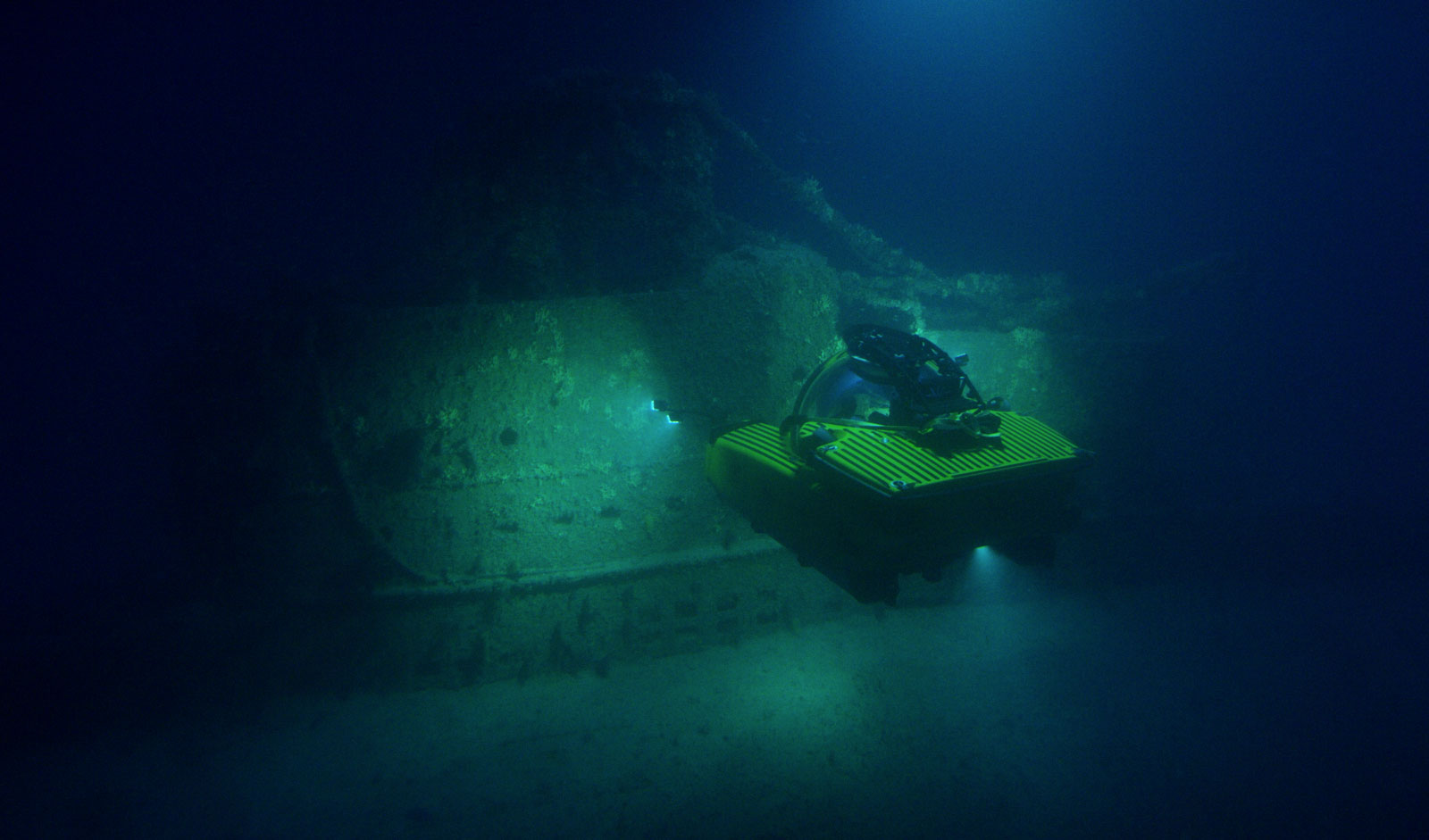 After being treated for exposure, the survivors endured even more air raids before transport on the fast mine-sweeper HMS Welshman could get them back to England. After a few days leave, three senior survivors were in London to give testimony to the Flag Officer Submarines, Vice Admiral Max Horton, on the loss of HMS Olympus. Two points that came across in the hearing was that, “The behavior of the officers and men, was as expected, exemplary” and “Valuable lives were lost through individual acts of self-sacrifices”. Admiral Horton’s recommendations going forward were that no submarine should leave the harbor without a minesweeper escort, and radar equipped night-fighters would be used to deter the Schnellboots nighttime mining activities. Of course, none of this would be of any consolation to the families of the men already lost. As the records concerning the loss are sealed, it is unknown if the rationale for putting all three crews in one submarine was one approved by the Admiralty or if the subject of friendly fire was discussed. At the conclusion of their testimony, the survivors were sworn to secrecy about the events surrounding the sinking. The Admiral asked if each survivor would carry on in submarines to which he received a unanimous “Yes”.
Schnellboot S-31 would not have long to celebrate the destruction of ML130 and HMS Olympus, (although she was most certainly unawares of the submarines destruction). Just two days, later in the early morning of May 10th, while laying another minefield off Valetta’s Grand harbor, the tough adversary was blown into nearly two pieces killing nine of her crew. She had hit one of its own mines that had broken its mooring. Her sister ship S-61 pulled thirteen survivors out of the water and headed back to base. Sunk close to her victims, S-31 received an ironic and bitter taste of her own medicine.
For post war historians, the questions surrounding this tragedy abound; was it worth the risk to have four experienced crews in one submarine? Why did HMS Olympus leave without an escort vessel? Given so many extra personal aboard, and all the preparation for this trip, why were there no extra life jackets? Why was no radio distress message sent before abandoning ship, pretty much standard operating procedure (SOP) in every vessel? How could nearly every signaling device, and even the deck gun fail to operate? And finally, when the wreck was located. it was found only three miles from shore, not six miles as originally reported. How could an experienced crew so greatly overestimate the distance to shore? Being three miles inshore of its perceived location, was HMS Olympus out of the cleared channel? And finally, did they strike a mine laid by the Schnellboots, a smaller aerial mine, or even more tragically, one of their own defensive mines?
Discovery and HMS Olympus Today
 HMS Olympus was largely forgotten by history, until 1962 when a new Oberon class submarine HMS Olympus (S-12) was christened into the British Navy. Seaman Rate James Fulthrope, who was sent to fetch the ship’s crest and missed the sailing back in 1942, had survived the war and had kept the emblem all these years in remembrance to his lost crewmates. When he heard that a new HMS Olympus was serving in the Royal Navy, he presented the crest to the crew, where it was placed with honor aboard the new submarine
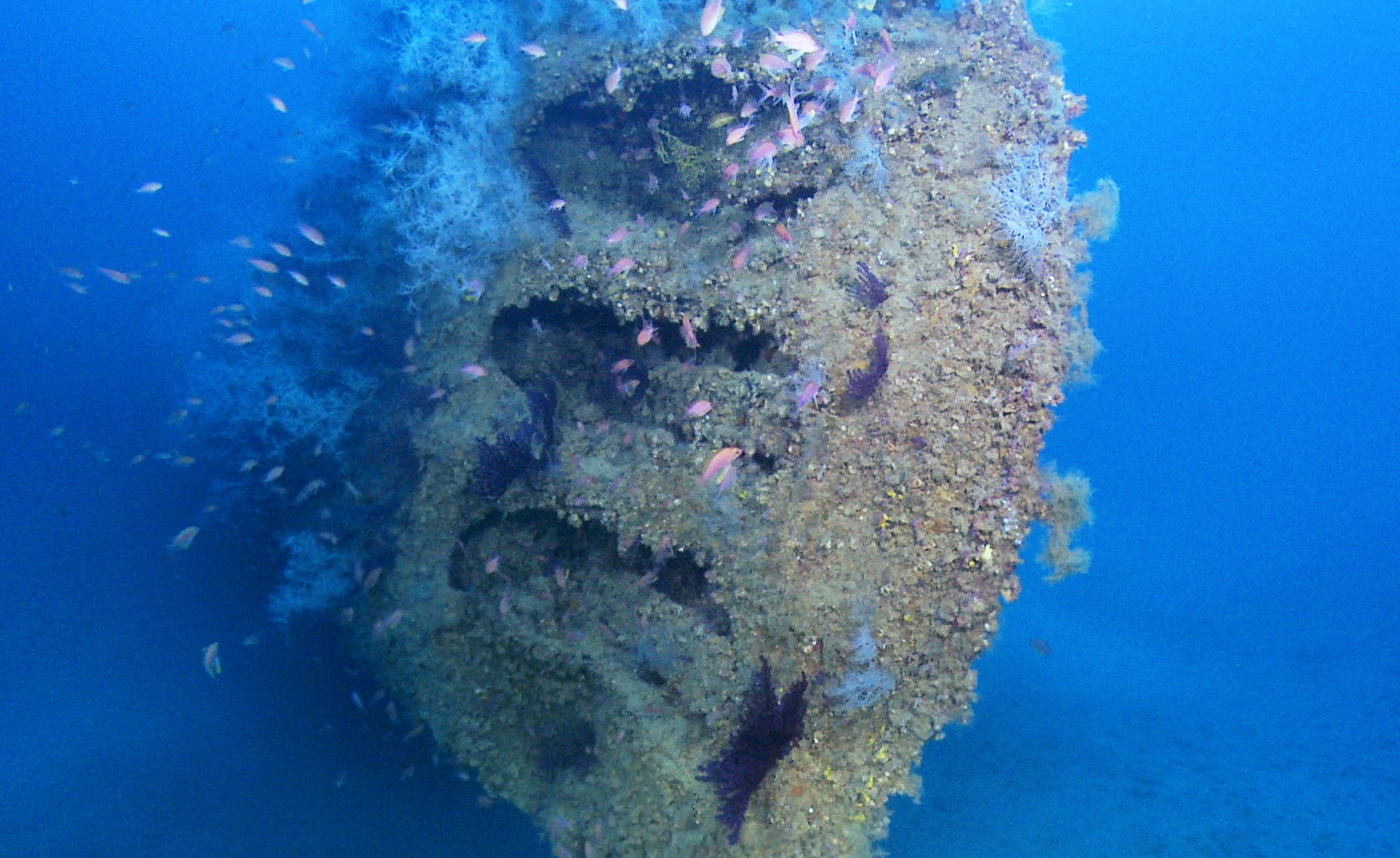
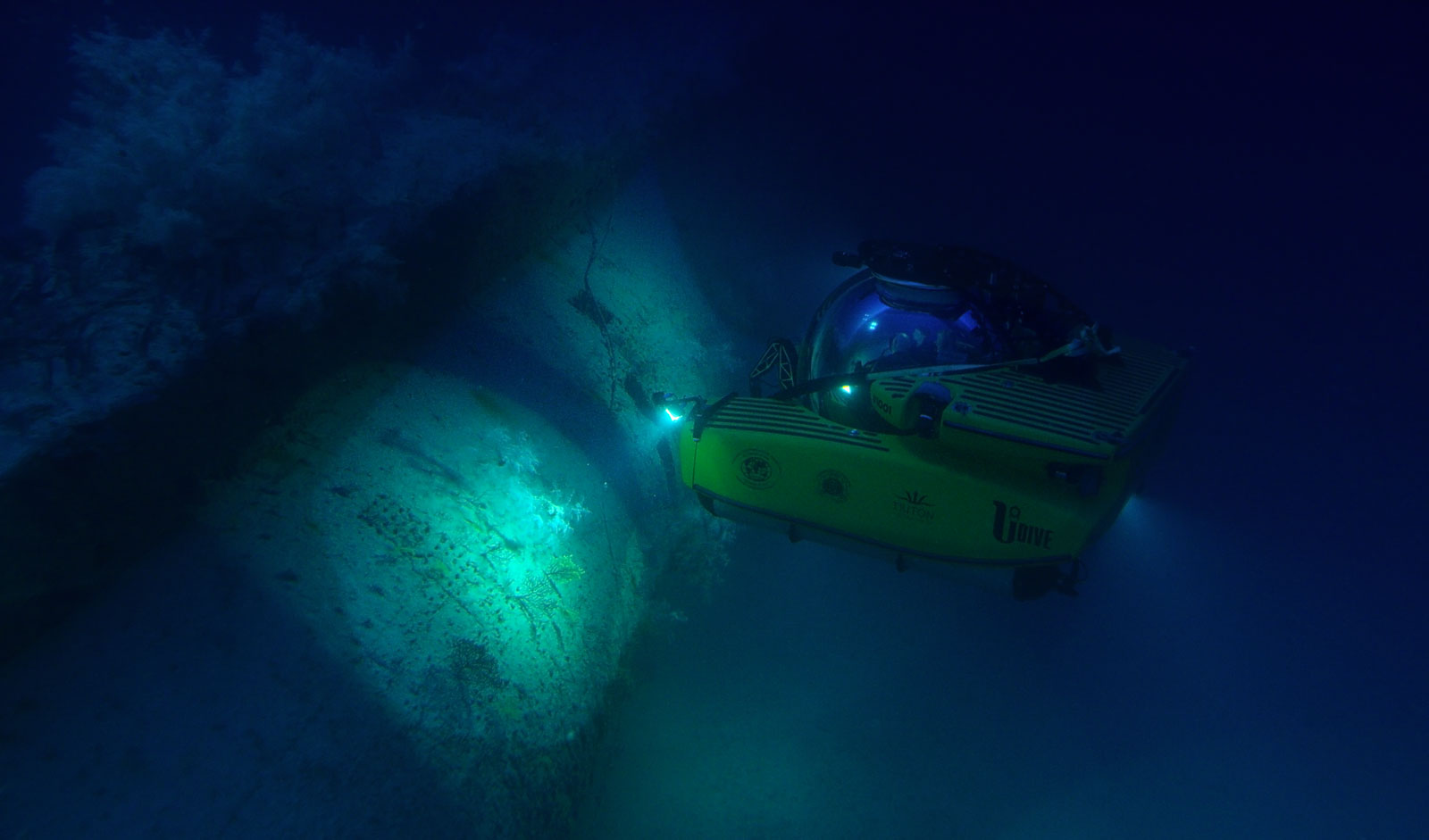
There is some controversy as to who first located the wreck. In 2008 local Maltese and British technical divers claimed to have found it, but in 2011 the Aurora Trust, a U.S.- based team operating in Malta, provided the location and first images to the British and Maltese authorities. I first visited the wreck in 2016, returning again in 2017 to continue work with the U-Group/U-Films on a film about British submarine losses. Making a number of dives in the Triton U1001 three-man submarine, we extensively documented the wreck to tell her story and shed light on this little-known tale of bad luck and tragedy.